

What Should an Integrated HSE and Emergency Response System Include?

A strong HSE program should not operate separately from emergency response.
On high-risk mining and industrial sites, prevention and response are part of the same operating system. Hazards need to be identified before work begins, controls need to be implemented and monitored, and the site also needs the people, procedures, equipment and leadership required to respond if something goes wrong.
An integrated HSE and emergency response system combines risk management, safety procedures, contractor controls, incident reporting, emergency planning, command structure, rescue capability, medical response, equipment readiness and ongoing drills into one coordinated framework.
For organizations managing complex projects, remote operations or high-risk work, that integration can reduce operational gaps and improve both prevention and response.
Meadow Safety and Meadow Rescue support organizations that need stronger HSE systems, emergency planning, rescue readiness and operational response capability.
What Is an Integrated HSE and Emergency Response System?
An integrated system connects everyday safety management with emergency preparedness.
The HSE side focuses on preventing incidents through hazard identification, risk controls, procedures, inspections, contractor management and incident learning.
Emergency response focuses on what happens when prevention is no longer enough.
That includes emergency response plans, command structure, rescue personnel, medical capability, communications, equipment, evacuation procedures and drills.
When those two functions are disconnected, gaps can appear. A hazard may be identified without a corresponding response plan. An emergency plan may exist without adequate trained personnel. Rescue equipment may be available but not maintained or incorporated into drills.
Integration helps ensure the safety system works before, during and after an incident.
What Should an HSE Management System Include?
A practical HSE management system should reflect the actual work being performed.
Depending on the operation, it may include:
hazard identification and risk assessment;
safe work procedures;
contractor safety requirements;
inspections and audits;
incident reporting and investigation;
corrective action tracking;
competency requirements;
regulatory compliance;
documentation and reporting; and
management review.
The strongest systems are not paperwork exercises.
They create clear expectations around how hazards are controlled, how performance is monitored and how problems are corrected.
Meadow Safety provides HSE advisory, systems development, audits, compliance support, procedures and field implementation for mining and industrial operations.
What Should an Emergency Response Plan Include?
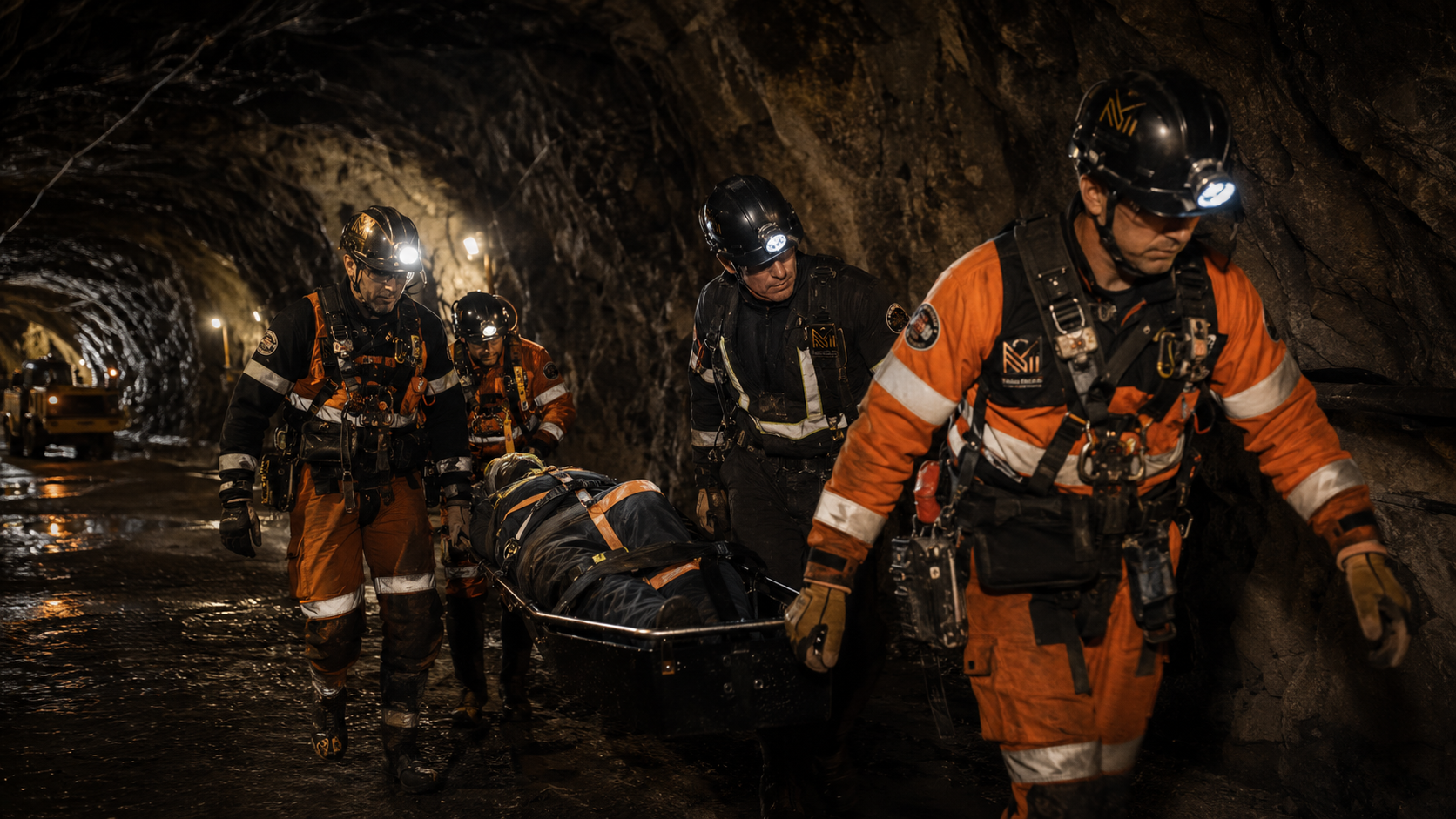
An emergency response plan should clearly explain how the organization will respond to credible site emergencies.
That may include:
emergency scenarios;
roles and responsibilities;
notification procedures;
Incident Command structure;
evacuation requirements;
rescue capability;
medical response;
communication systems;
emergency equipment;
external agency coordination; and
recovery procedures.
A plan should also reflect the actual site.
Emergency response requirements at a remote mine, pipeline project or industrial facility can be very different from those at an urban workplace with immediate access to municipal emergency services.
That is why site-specific planning matters.
Why Is Incident Command Important?
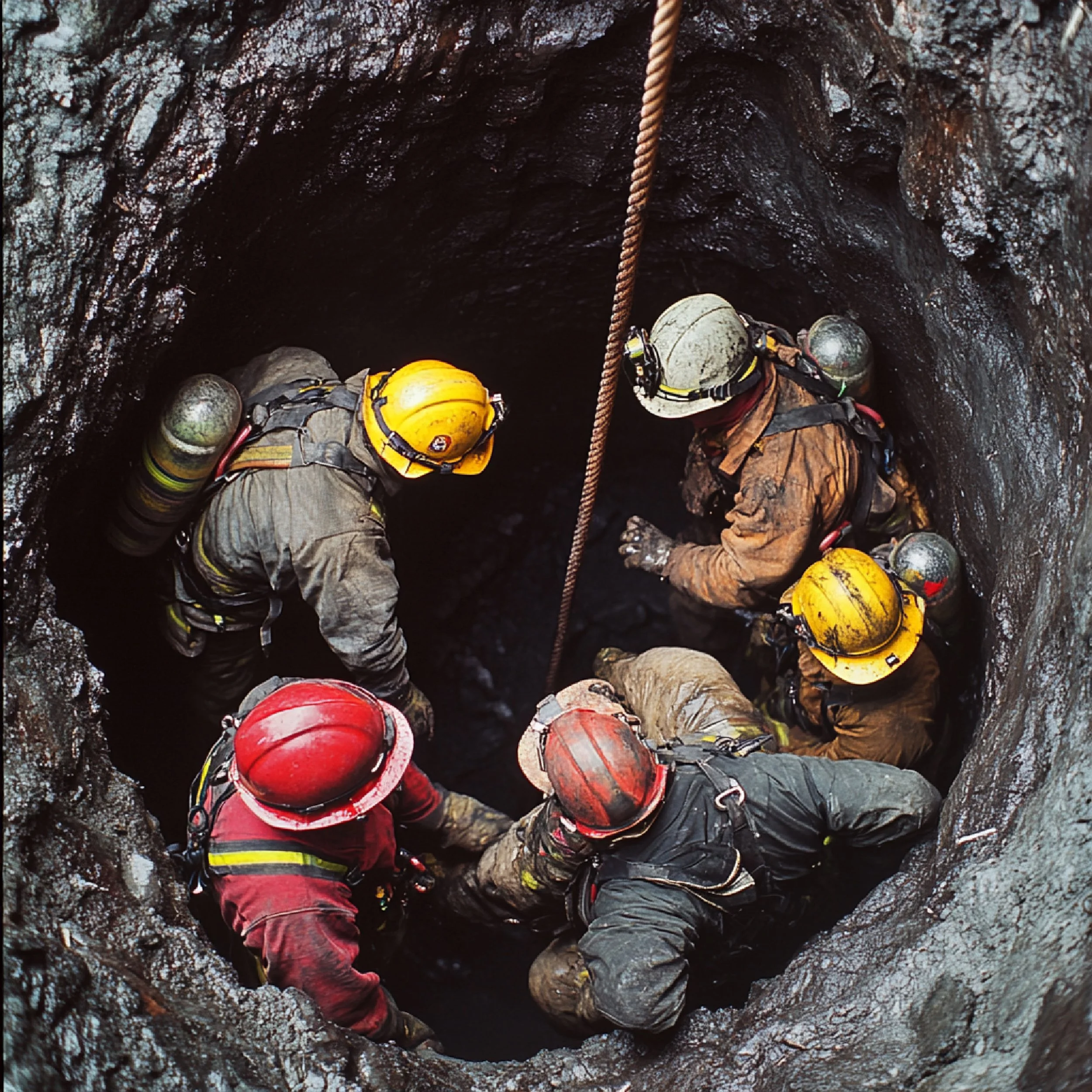
During an emergency, confusion can become a risk of its own.
A clear command structure helps define who is responsible for decisions, communications, resources and coordination.
Incident Command provides a structured method for managing emergency response, particularly when multiple teams, departments or external agencies are involved.
Without a clear structure, organizations can experience duplicated effort, conflicting instructions and delays in critical decisions.
Meadow Rescue supports organizations with emergency management, Incident Command implementation, response planning and preparedness assessments.
How Do You Know Whether a Site Is Actually Rescue Ready?
Having an emergency response plan does not automatically mean the site is ready to respond.
Rescue readiness depends on whether the operation has the people, equipment, procedures and practical capability required for the hazards present.
That may include:
trained rescue personnel;
mine rescue capability;
confined space rescue;
rope rescue;
medical response;
water or ice rescue where applicable;
inspected and maintained equipment;
clear communication procedures; and
regular drills.
The key question is not whether the site has a rescue program.
It is whether that program can function under real conditions.
How Often Should Emergency Response Plans Be Tested?
Emergency response plans should be tested regularly and whenever site conditions, personnel, hazards or operations change significantly.
Drills are one of the most effective ways to identify gaps that are difficult to see on paper.
A drill may reveal problems with communication, response times, equipment access, decision-making or personnel roles.
Those findings can then be used to improve the emergency response system before a real incident occurs.
Testing also helps ensure people understand their responsibilities and are familiar with the command structure before they are required to use it under pressure.
What Role Do Contractors Play in HSE and Emergency Response?
Contractors can introduce additional complexity into high-risk operations.
They may have their own procedures, supervisors, equipment and emergency protocols.
The challenge is making sure contractor systems align with the site’s expectations.
Organizations should understand:
who is responsible for contractor safety;
how contractor qualifications are verified;
which emergency procedures apply;
who leads during an incident;
how contractor personnel are accounted for; and
how communication is handled across organizations.
Contractor management should therefore be part of both HSE planning and emergency preparedness.
This is especially important on large projects where multiple contractors are working simultaneously.
Why Do HSE and Emergency Response Systems Fail?
Systems usually fail because of gaps, not because an organization has no policies.
Common problems include:
outdated procedures;
unclear roles;
inadequate contractor integration;
poor communication;
untested emergency plans;
insufficient rescue coverage;
incomplete training;
equipment that is unavailable or poorly maintained; and
systems that were created independently and never fully integrated.
These issues can exist quietly until operational pressure or an emergency exposes them.
That is why periodic review and testing are so important.
When Should an Organization Review Its HSE and Emergency Response Systems?
A review is especially valuable when:
a new project is starting;
operations are expanding;
new contractors are being added;
work is moving into a higher-risk phase;
a site is preparing for commissioning or start-up;
emergency responsibilities are changing;
an incident or near miss has occurred; or
the organization has not tested its systems recently.
For organizations preparing for major project activity, a combined review can identify whether safety systems, emergency procedures and response capability are actually aligned.
Frequently Asked Questions
What is an integrated HSE and emergency response system?
It is a coordinated system that combines hazard prevention, safety management and emergency preparedness so that risk controls, procedures, personnel and response capability work together.
What should an emergency response plan include?
An emergency response plan should include credible emergency scenarios, roles and responsibilities, communication procedures, Incident Command, evacuation, rescue, medical response, equipment requirements and external coordination.
Why is rescue readiness important?
Rescue readiness ensures that the site has trained personnel, maintained equipment and practical procedures in place for the emergencies most likely to occur.
How often should emergency plans be reviewed?
Plans should be reviewed regularly and whenever site hazards, personnel, contractors or operational conditions change significantly.
Why should contractors be included in emergency planning?
Contractors are part of the operating environment and may be affected by or involved in an emergency. Their roles, responsibilities and communication processes need to align with the site’s overall response system.
HSE and Emergency Response Support From Meadow Mining-Rescue & Training Inc.
Meadow Mining-Rescue & Training Inc. supports mining and industrial organizations that need practical HSE systems, stronger emergency preparedness and experienced response capability.
Through Meadow Safety, organizations can access HSE advisory, systems development, risk management, audits, compliance support, procedures and field implementation.
Through Meadow Rescue, Meadow provides emergency management, rescue readiness, mine rescue support, Incident Command, response planning, emergency personnel and preparedness assessments.
For organizations where safety and emergency response need to function as one system, the objective is not simply to have policies and plans in place.
It is to ensure the people, systems and response capability are ready when they are actually needed.