

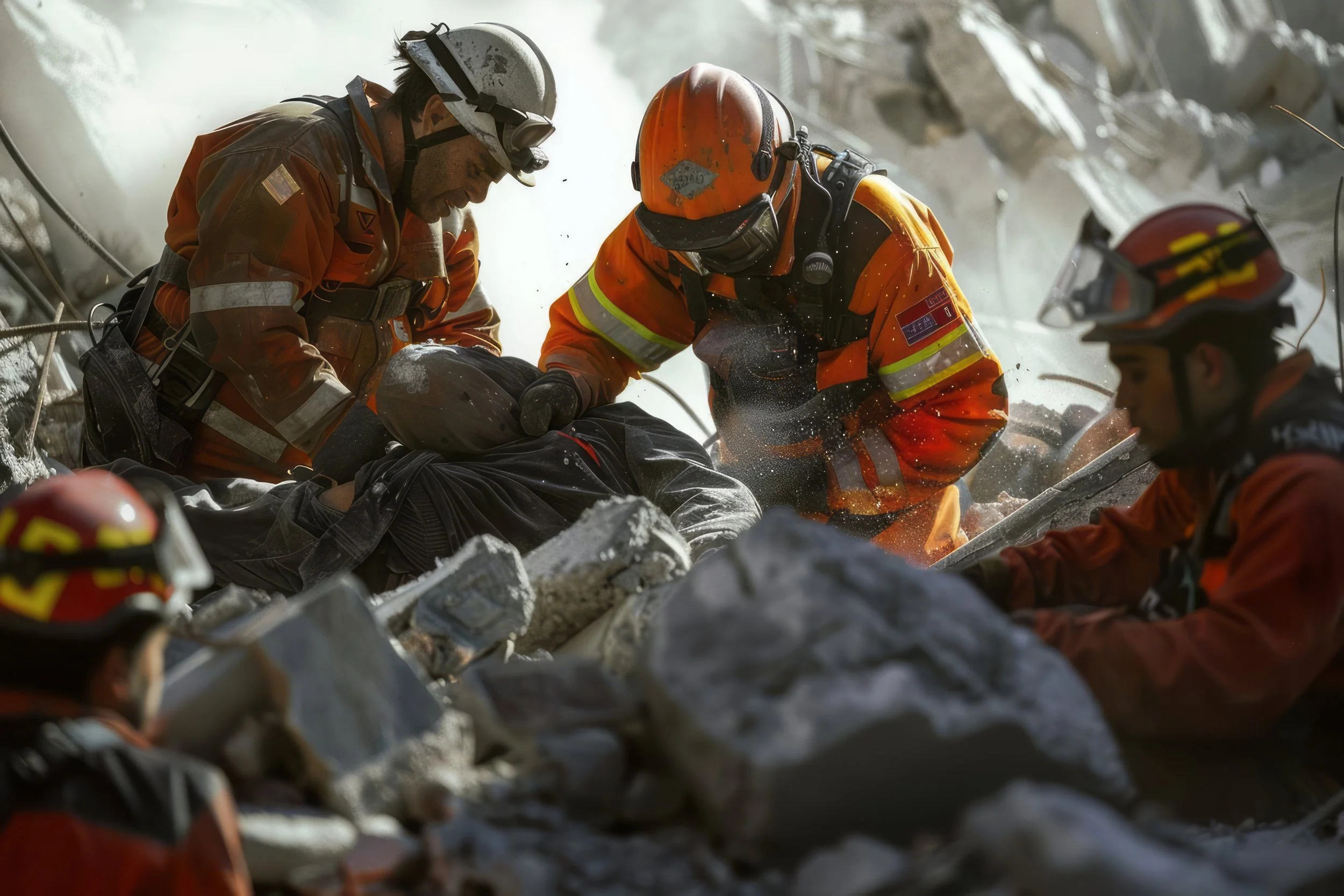
“A rescue plan may stay the same for years. The people counted on to carry it out rarely do.”
Eric Canuel
A scenario begins with a call: an incident has occurred, and the site’s emergency response process is activated.
Within minutes, the response starts to take shape. The team is mobilizing. Site leadership is receiving updates. Decisions are being made about access, resources and the next course of action.
On paper, the sequence is clear. In practice, several decisions may need to happen at the same time and each depends on information moving between people who are managing different parts of the response.
That is where a well-designed emergency exercise becomes valuable. It shows how the operation’s people, systems and resources work together as conditions develop.
The First Decisions Shape the Response
The opening minutes of an emergency rarely come with a complete picture. The information available may be limited, and site leadership must make initial decisions while the situation is still being assessed.
An exercise can explore how those first decisions are made: who receives the initial information, who has authority to activate the response, and how the people directing the incident establish an operating picture as updates come in.
The most useful conversations often happen around the decisions themselves. What did the team know at that point? What did they need to know next? How did they decide which information required immediate action and which could be confirmed as the response progressed?
These are not theoretical questions. They shape how quickly an organization can move from notification to a coordinated response.
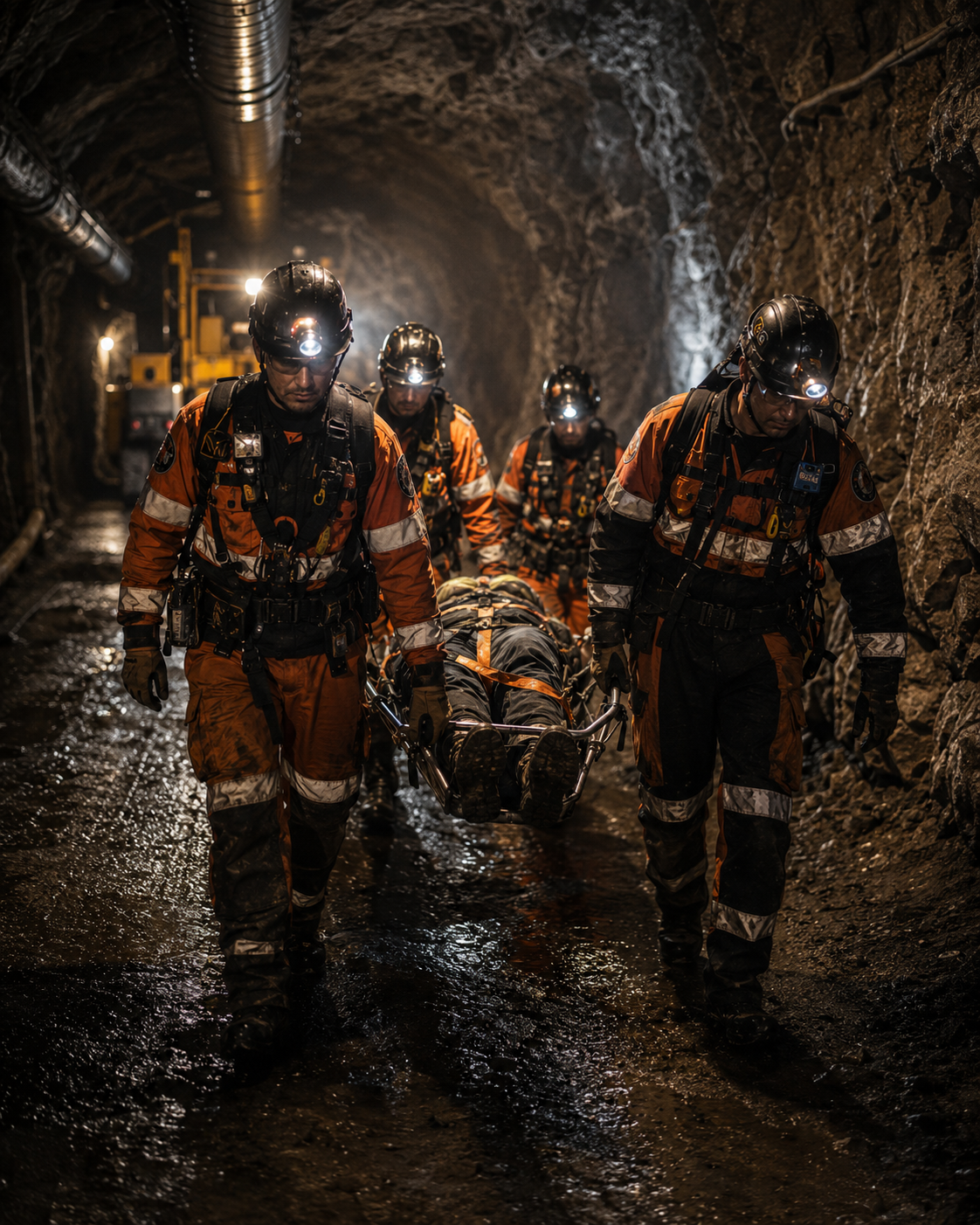
“In an emergency, the strength of a response depends on what each team knows and how quickly that knowledge reaches the next.”
Meadow Rescue
Information Has to Move Between Teams
An emergency can place people in very different positions. Responders may be close to the incident. Supervisors may be coordinating personnel and equipment. Senior leaders may be considering operational and external implications.
Each group sees part of the situation. The response depends on how effectively those perspectives come together.
During an exercise, a brief update can carry considerable weight. Does the information give the next person what they need to make a decision? Is it clear whether the update is confirmed, developing or awaiting verification? When circumstances change, how does that change reach the people whose actions depend on it?
A scenario gives teams the chance to practice those exchanges under conditions that are closer to the pace of an actual event. It also allows leaders to see how their communication structure supports the people working within it.
A Plan Has to Work Across Shifts and Operating Conditions
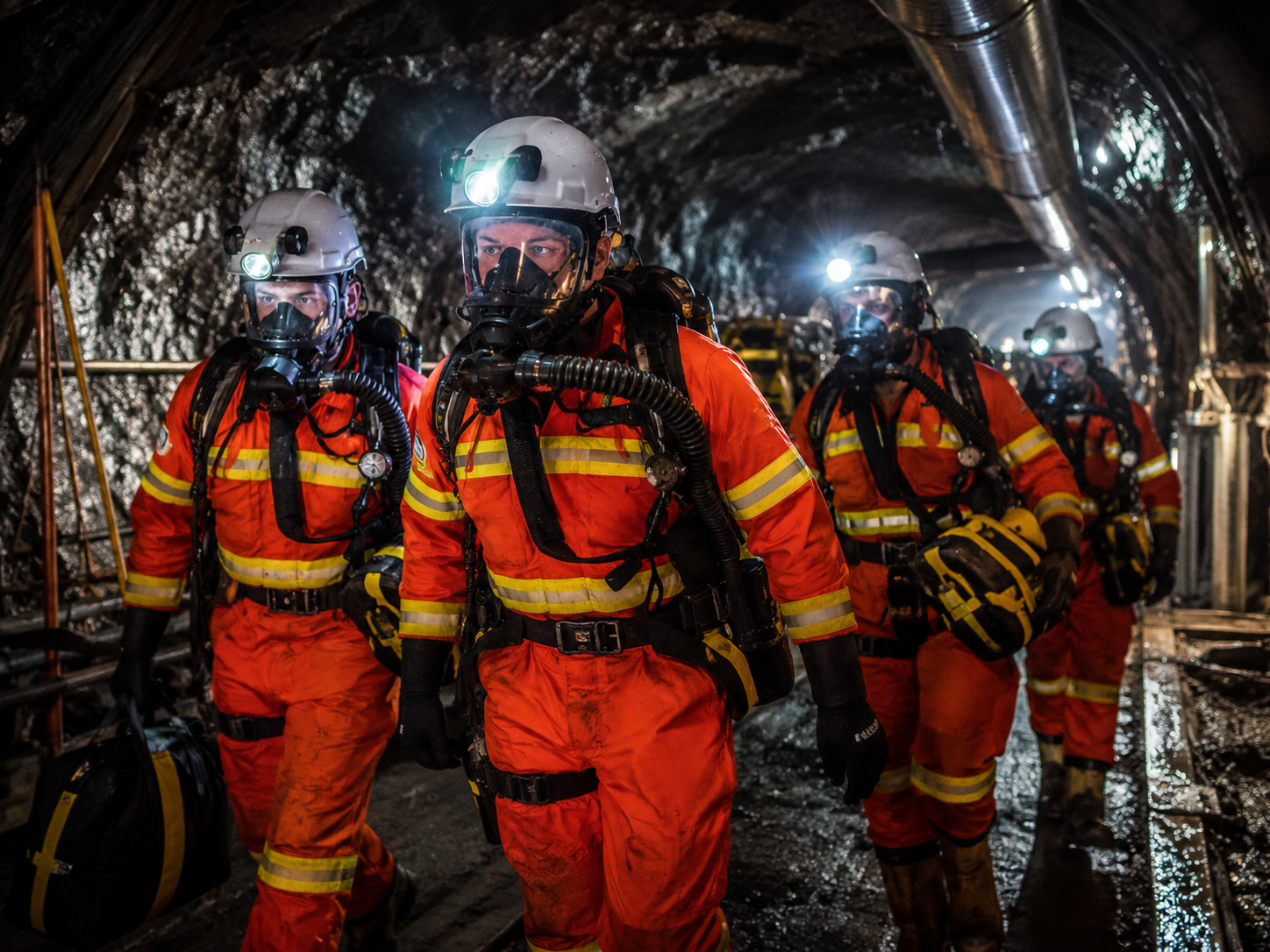
Industrial operations do not stand still. The people, equipment and activities on site can vary by shift, project phase and location.
An exercise held during a typical day shift may provide a different perspective from one built around a night shift, a remote work area or a period when contractors are performing specialized work. The purpose is not to make every scenario more complicated. It is to understand how the response can be coordinated under the conditions the operation may realistically face.
For example, if a scenario begins in a remote part of the site, the team may need to consider how the location affects access, communications and the movement of resources. If it begins during a shift change, the exercise may provide an opportunity to practice how responsibilities and information move between incoming and outgoing personnel.
Those details matter because the response has to fit the operation as it exists at the time.
A Plan Has to Work Across Shifts and Operating Conditions
Industrial operations do not stand still. The people, equipment and activities on site can vary by shift, project phase and location.
An exercise held during a typical day shift may provide a different perspective from one built around a night shift, a remote work area or a period when contractors are performing specialized work. The purpose is not to make every scenario more complicated. It is to understand how the response can be coordinated under the conditions the operation may realistically face.
For example, if a scenario begins in a remote part of the site, the team may need to consider how the location affects access, communications and the movement of resources. If it begins during a shift change, the exercise may provide an opportunity to practise how responsibilities and information move between incoming and outgoing personnel.
Those details matter because the response has to fit the operation as it exists at the time.
What Happens After the Exercise Matters
The exercise itself is only part of the value. The discussion afterward is where the experience becomes useful to the wider operation.
A productive review makes room for the people involved to explain what they observed, what supported their work and what they would approach differently. It considers the decisions made at the time, with the information available at that moment.
Some outcomes may confirm that existing arrangements worked as intended. Others may lead to a clearer communication process, a change to a document, further equipment practice or a future scenario focused on a specific part of the response.
The strongest reviews turn observations into agreed actions, with clear ownership and follow-up. They also recognize what the team did well—because those strengths are part of the operation’s response capability.
Designing Exercises Around the Operation
There is no single exercise that answers every preparedness question. The scenario and scale should reflect what the organization wants to practise.
One exercise might focus on the first 20 minutes of an incident and the transition into a coordinated response. Another might bring together a rescue team and site leadership to practise communication as conditions change. A third might concentrate on how a response is managed across a remote or complex operating environment.
Meadow Rescue works with operations to develop practical, scenario-based mine rescue training and provide emergency response coordination and program support. The focus is on the site, its people and the response capability the organization needs to maintain.
An emergency exercise gives a team more than another scenario to complete. It gives the operation a chance to see how its plans, decisions and people come together—and to carry that experience forward into the next response.
Discuss your organization’s mine rescue training or emergency preparedness requirements with Meadow Rescue.